
Where Sea Meets Heath: Secrets of British Coastal Wildscapes
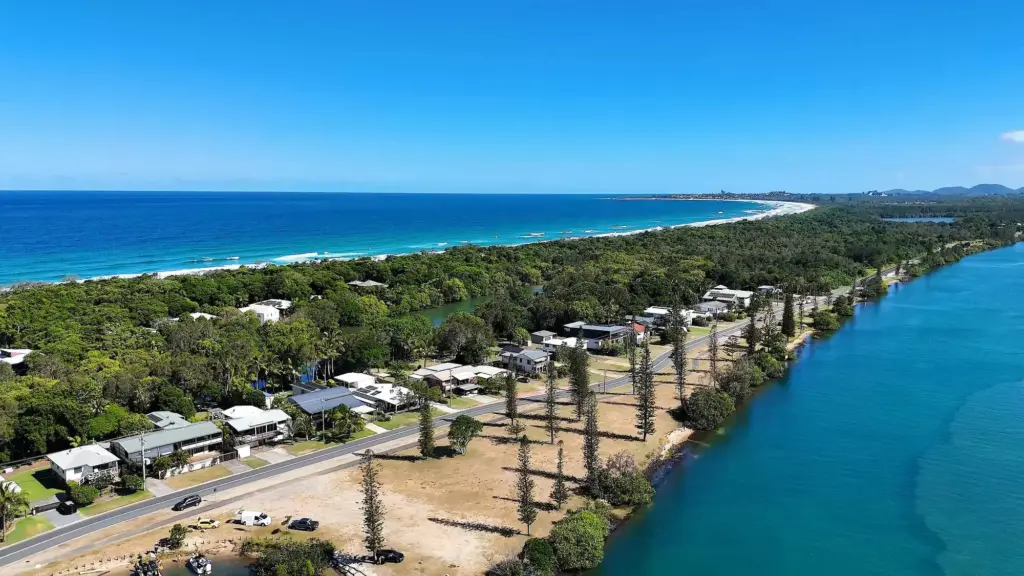

Saltmarshes: Quiet Power at the Tidal Edge

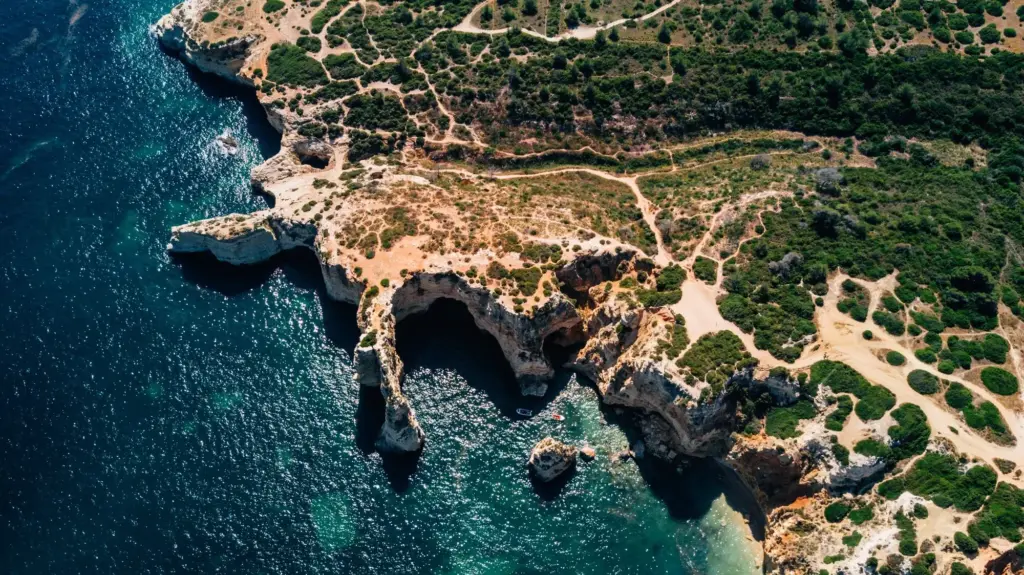
Restless Dunes and the Art of Holding Sand
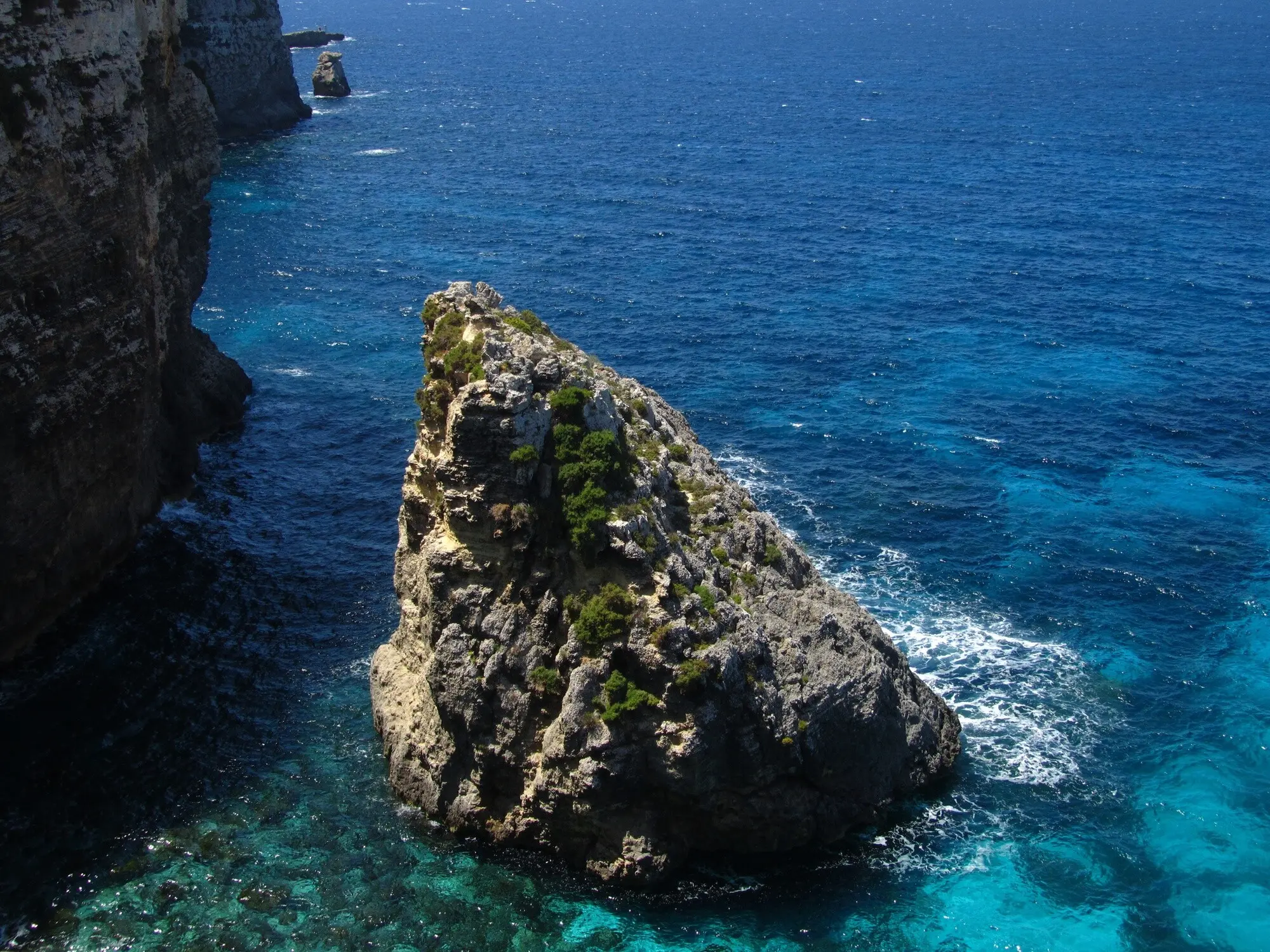
Reading the rock to plan your watch

Soundscapes, smellscapes, and the weather of wings
Pioneers with roots among rolling stones
Little terns and the art of seeing without shadow
Between Tides: Rockpools, Flotsam, and Living Time
Tide choreography and the safety of return routes
Scan charts the night before, note spring-neap cycles, and plan exit paths that remain dry as water advances. Tell someone your timings. A small backpack with warm layers, a whistle, and a headlamp multiplies confidence. In the pools, count breaths before moving, letting shy creatures emerge. Share screenshots of your favorite tide apps, annotated with lessons learned after surprise surges. Collective wisdom helps families and solo explorers develop safer instincts while preserving the sense of discovery that makes intertidal wandering joyfully addictive.
Creatures that rewrite scale and expectation
Watch a hermit crab’s home inspection, a shore crab’s sideways diplomacy, and brittle stars speaking in gestures of arms. Tube worms farm glittering patience with sand grains. A handheld lens transforms the familiar into frontier. Keep hands wet if gentle touching is necessary, and never pocket shells still inhabited. Post microvideos and link to identification keys you trust. Encourage respectful curiosity among younger readers; their careful enthusiasm today becomes tomorrow’s long-term care, rooted in delight rather than duty or dread.
Beachcombing with conscience and a recyclable bag
Flotsam tells stories: drift seeds from far currents, weathered timbers embossed with shipworm signatures, and, sadly, plastic threads snared in wrack. Collect litter that doesn’t shelter wildlife, but leave natural structures intact. Photograph intriguing finds, then share backstories crowd-sourced from readers. Note how each cove accumulates different debris patterns after storms; that data informs cleanup timing. Offer tips for gentle educational displays at community centers, making sure wonder and responsibility travel together, turning small, regular actions into a shoreline habit everyone can sustain.
Weather, Water, and Change: Adapting with the Coast
Storm memory and the reading of wrack lines
After heavy weather, study tidemarks stacked like runes, each ridge recording surge height, drift composition, and wind direction. Photograph sequences along a known stretch and compare month to month. This humble practice anchors bigger debates about erosion risk and walkway placement. Post your timelines and observed changes in vegetation response. Such ground-truthing nourishes models and council decisions, ensuring spreadsheets listen to sand and reeds. It also invites neighbors to notice beyond headlines, establishing a shared baseline for future storms.
Making space for water without losing wonder
When embankments are set back and floodplains invited home, anxiety often rises alongside tides. But boardwalks, bird hides, and storytelling signage can turn apprehension into engagement. Share examples where new paths improved access, not just resilience. Discuss planting choices blending beauty with function—sedge ribbons, willow thickets, and wildflower seams. Your experiences help planners sequence works to minimize disruption and maximize delight. In the comments, propose phrases that explain change honestly while celebrating the new choreography of light, water, and returning wildlife.

People of the Edge: Craft, Care, and Shared Futures

All Rights Reserved.