Wild Citadels Above the Tide: Britain’s Seabird Realms

Today we set sail for Seabird Cliff Colonies and Offshore Islands around Britain, exploring storm-hewn ramparts where gannets, puffins, guillemots, razorbills, kittiwakes, and fulmars rule the air. From Bass Rock to Skomer and St Kilda, we’ll trace courtship flights, moonlit burrow commutes, and the choreography of dense ledges, while sharing practical journeys, fieldcraft, and ways you can help safeguard these spectacular strongholds. Join in, add your sightings, and connect with fellow coast-bound wanderers.

Anatomy of a Living Cliff

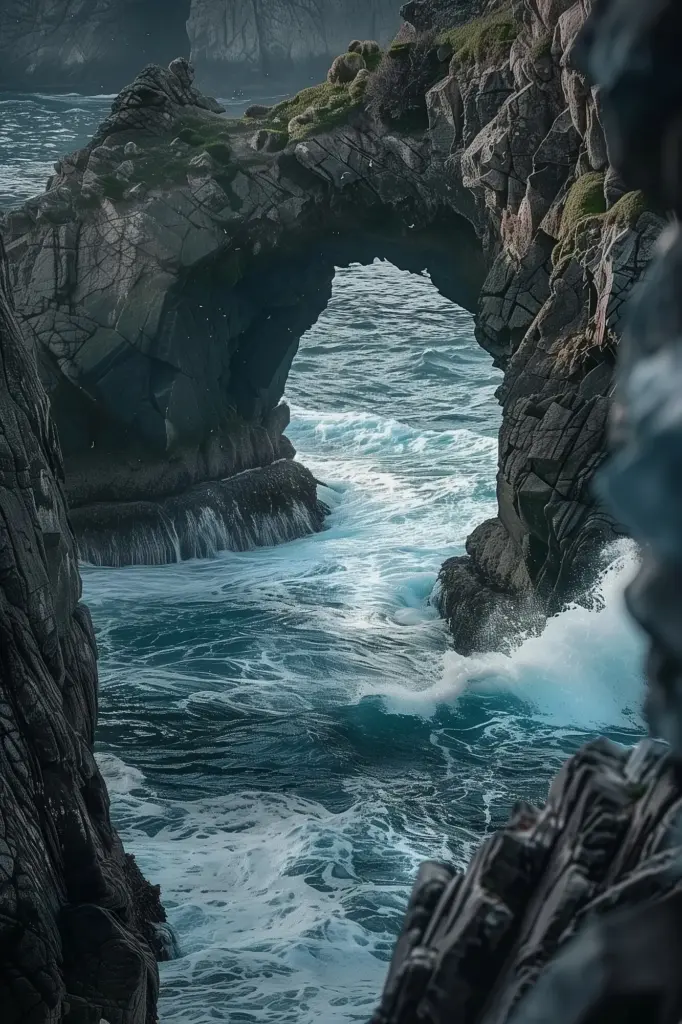
Stand at the brink and the cliff becomes a city, layered with ledges, fissures, and shelves shaped by chalk, sandstone, or basalt. Updrafts lift tireless wings, while sheer walls keep ground predators at bay. Fish-rich currents deliver sandeels and sprats, turning guano into glittering marine fertility. It’s a perfect, precarious architecture where every inch is contested, voices merge into thunder, and survival is negotiated on knife-edge rock with astonishing grace and precision.

Map of Strongholds and Sea Roads

Britain’s edges are stitched with sanctuaries where birds gather in impossible numbers. Chalk amphitheatres host auks like a black-and-white confetti storm, while lonely stacks and skerries shine with white feathers from horizon to horizon. Names leap from charts—Bass Rock, Isle of May, Bempton, Farne, Skomer, St Kilda, Hermaness, Noss, Troup Head, and Lundy—each with its own rhythm, access, and seasonal heartbeat. Plot your route wisely, chasing weather windows and the grand arrivals of spring.

Boats, Cliffs, and Safe Passages

Seabird journeys begin with tide tables and a reliable forecast. Swell height, wind direction, and visibility decide both comfort and safety, especially for small boats threading sound and skerry. Harbour crews and skippers know local quirks: wind-over-tide chop, katabatic gusts near headlands, and fast-filling gullies. On cliffs, paths can narrow to weathered lips, so patience and good boots matter. Respect closures, heed wardens, and remember that every calm photograph often hides a hundred careful decisions.

Watching and Photographing Without Disturbance

Cliffs have flyways like cities have streets. Watch for repeating loops—launch, arc, stall, and land—then pre-focus where the line pinches. Gannets often ride a particular isobar; puffins bead low along wave crests; kittiwakes queue on merry-go-round updrafts. When a partner returns with fish, neighbours stir. A raised bill means a lift-off, while a wing shake telegraphs landing intent. Make notes, trust patterns, and let expected moments bloom precisely within thoughtfully framed windows.
White birds on white cliffs above white water challenge every sensor. Expose for highlights, dial small negative compensation, and watch histograms like a lighthouse keeper. On dull days, lean into mood: texture over sparkle, behaviour over brightness. Compose with diagonals of cliff strata or the clean horizon line beyond passing wings. Spray softens edges—use it for atmosphere. Above all, keep your feet secure; no photograph is worth a step that doubts the rock.
Bring ears as alert as eyes. A pocket recorder or phone, shielded from wind, preserves colonies’ complex voices—useful for learning calls and remembering sequences later. Annotate timestamps with behaviours: courtship bows, bill fencing, aerial chases, or gentle allopreening. Respect quiet zones and other visitors, staying still while capturing moments. Later, match sounds to photographs, building a living diary of each ledge’s rhythm. Sound enriches memory, grounding images in the pulsing breath of place.

Guardianship: Challenges, Science, and Hope
These fortresses face shifting seas. Prey like sandeels respond to warming waters and changing currents, influencing breeding success. Storms bite harder into soft cliffs, and disease can scythe through dense gatherings. Yet protection expands, restoration succeeds, and communities rally. Wardens, fishers, scientists, and visitors weave solutions—closing paths when needed, improving fisheries management, and keeping predators off fragile islands. Add your voice: report sightings, practise biosecurity, support seabird projects, and pass along knowledge with open hands.

Seven Days Along the East Rim

Begin at Bempton’s chalk balconies, catching dawn light over kittiwakes and cruising gannets. Drift north to the Farne Islands for puffins and grey seals, then angle to the Isle of May’s bustling terraces. Swing higher to Troup Head’s gannets, where cliffs tumble into emerald. Thread trains and short boat hops, booking flexibly to chase calmer seas. Evenings become for shellfish, notes, and drying gear, while mornings repeat the joyous pattern of finding wings on wind.

Edge-of-Map Odysseys to the Far Isles

When forecasts align, chase horizons. Hermaness on Unst roars with surf and gannets, Noss encircles you with towering stone, and St Kilda, in rare settled spells, humbles with remoteness and scream of sheer cliffs. These journeys demand patience, contingency days, and respect for skippers calling no-go. The reward is depth—raw weather, open Atlantic light, and a ticking awareness of history etched into stone. Carry gratitude, warm layers, and the quiet that lets wonder land.

Share, Subscribe, and Meet Us by the Railings

Tell us where the sea surprised you most—puffins commuting past your knees, gannets braiding air, or shearwaters sewing constellations across a moonlit field. Post your favourite moments, ask for route ideas, and invite friends into the conversation. Subscribe for field notes, migration alerts, and meet-up invitations along clifftop paths. Your comments and questions shape future journeys, while your sightings enrich our shared understanding. Together, let’s keep watching, learning, and celebrating these tireless fliers with care.