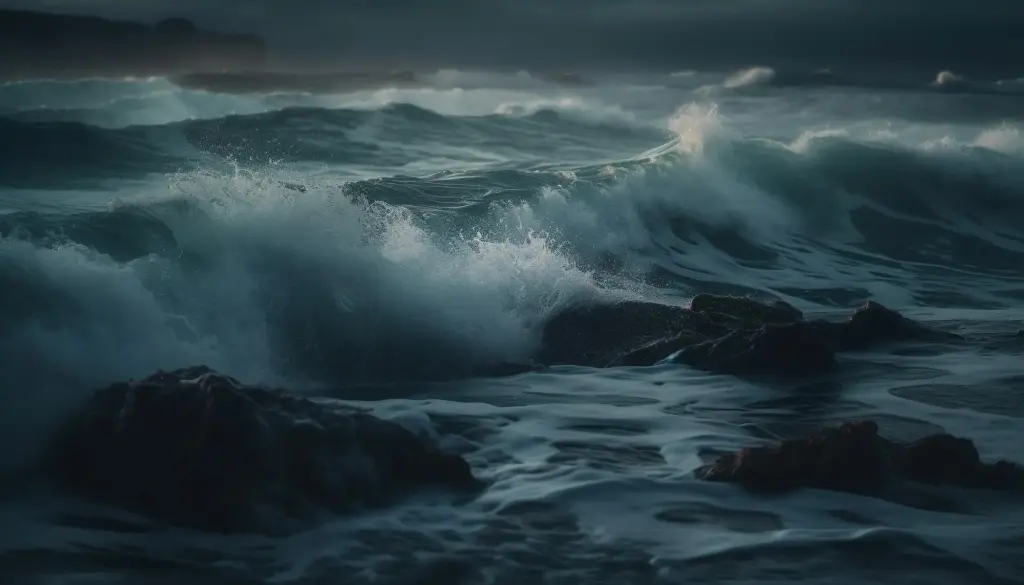
Between Rock and Sea on Britain’s Wild Edges

Step onto slick ledges and into sparkling pools as we explore Life Between the Tides: Intertidal Rocky Shores of the UK, where moon-drawn waterlines reveal bustling communities, courageous adaptations, and unforgettable encounters. Wade in with curiosity, share your discoveries, and help celebrate and protect these ever-changing, salt-sprayed places that shape coastal memories, nourish wildlife, and connect us to ancient rhythms written by wind, stone, and sea.

Tides, Moon, and Moving Boundaries

Twice each day, the margins of Britain breathe in and out, exposing stone that minutes before slept under green water. Semidiurnal tides, spring–neap cycles, and local weather sculpt windows of time for safe exploring. From the powerful ranges of the Severn Estuary to gentler Scottish sounds, timing is everything, guiding footsteps, photographs, and the patient joy of kneeling beside a quietly glowing pool.

Reading the Tide Table

A simple chart unlocks entire worlds. Low water times, height predictions, and the day’s range determine how far the shore unfurls. Learn local quirks, arrive early, turn seaward often, and share your timing tips with fellow wanderers who plan respectful, unhurried visits.

Springs, Neaps, and Surprise Surges

Around new and full moons, spring tides pull the curtain back farthest, revealing kelp-fringed secrets. During neaps, the shore keeps more mystery to itself. Add wind, pressure, and distant storms, and water can rise earlier than expected, rewarding caution and humble attention.

The High and Dry Fringe

Here, salt spray writes in black and orange lichens while periwinkles browse patiently. Channel wrack nestles in ridges, shining with protective mucilage. On hot days, shells seal tight, conserving precious moisture. Leave stones as you found them, preserving shade that keeps these edges alive.

Mid-Shore Hustle

Barnacles crowd like cities, glued with nature’s strongest cement. Limpets carve perfect home scars, returning with tidal precision to clamp against desiccation and storm. Between them slip dog whelks, quiet hunters testing barnacle plates. Kneel close, listen, and you may hear the shore gently rasping alive.

Low-Shore Gardens

With longer submersion, fronds sway like forests. Kelp roots to rock, red seaweeds twine, and beadlet anemones glow. Here, colorful sponges and feather stars sometimes appear on very low tides. Move slowly; a footstep can cloud clear water and disturb delicate dramas unfolding beneath reflections.

Remarkable Survivors and Clever Strategies

Every resident here has a trick: clamp force that resists tempests, shells angled to shrug off heat, slimy coats that hold moisture, and rhythms tuned to lunar clocks. Grazers mow algae, predators pry plates, and seaweeds bend, not break. These survival toolkits create balance, shaping who settles, who thrives, and how stone stays green or bare.

Tide Pools: Windows into Another World

Stooping beside a still pool feels like opening a book mid-sentence. Trapped between tides, these bowls are warm one hour, chilled the next, sometimes salty as brine, then freshened by rain. Anemones pulse, blennies peer, crabs shuffle sand. Patience rewards you with secrets most walkers miss entirely.

Granite Corners of the Southwest

Hard granite weathers into crevices and bowls that protect crimson algae and shy fish. On warm days, Chthamalus barnacles outcompete colder-water cousins, telling a subtle climate story. Share your southwest sightings, noting species shifts, so community records track these quiet, temperature-driven changes over seasons.

Basalt Steps of the North

Hexagonal columns at the Giant’s Causeway and nearby shores guide water into surging lanes. Mussels cluster tightly; limpets grow low and strong; cushion algae smother spray-scoured edges. Respect fierce swells, maintain three points of contact, and teach companions to read white-water patterns before stepping boldly.

Sandstone Ledges of the East

Broad, gently sloping benches near Robin Hood’s Bay host textbook bands of barnacles and wracks. On rare, very low tides, jewel-like anemones and nudibranchs appear. Share exact times and photos responsibly, avoiding GPS tags if locations are sensitive or prone to trampling during busy weekends.

Stewardship and Shared Futures

These shores are generous teachers, yet vulnerable to careless boots, warming seas, and invasive arrivals. Thoughtful foraging, Marine Protected Areas, and citizen science weave a safety net. Add your voice, photographs, and data, helping patterns emerge and guiding choices that keep Britain’s edges lively, learning, and welcoming.

Gentle Hands, Lasting Shores

Tread mindfully, avoid trampling eelgrass or delicate algal films, and return lifted stones. Take memories, leave shells, and pack out every scrap. Share ethical guides with friends and family so collective care becomes habit, protecting a place that feels endlessly resilient yet needs constant kindness.

Watchers on the Edge

Join local Wildlife Trust Shoresearch surveys or beach cleans. Submit sightings of Pacific oysters, wireweed, or unusual strandings. Small actions, repeated widely, reveal big patterns. Encourage comments, subscribe for seasonal calls to action, and celebrate volunteers whose notebooks and photographs keep knowledge growing tide after tide.

Changing Seas, Changing Lives

Warmer waters nudge species northward, storms strip seaweed canopies, and acidifying oceans challenge shell builders. Share observations from your regular cove—first barnacle larvae, earliest wrack bladders, or unusual blooms. Community records transform stray moments into evidence, guiding hopeful, practical steps for resilient, living coasts.