
Between Rock and Sea on Britain’s Wild Edges
Tides, Moon, and Moving Boundaries
Reading the Tide Table
Springs, Neaps, and Surprise Surges
The High and Dry Fringe
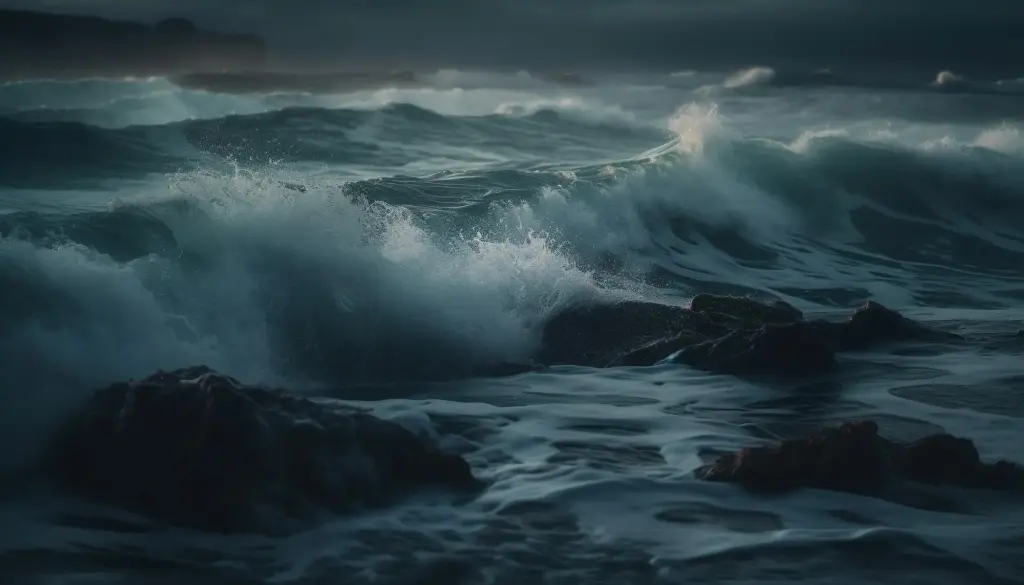
Here, salt spray writes in black and orange lichens while periwinkles browse patiently. Channel wrack nestles in ridges, shining with protective mucilage. On hot days, shells seal tight, conserving precious moisture. Leave stones as you found them, preserving shade that keeps these edges alive.
Mid-Shore Hustle
Barnacles crowd like cities, glued with nature’s strongest cement. Limpets carve perfect home scars, returning with tidal precision to clamp against desiccation and storm. Between them slip dog whelks, quiet hunters testing barnacle plates. Kneel close, listen, and you may hear the shore gently rasping alive.
Low-Shore Gardens
With longer submersion, fronds sway like forests. Kelp roots to rock, red seaweeds twine, and beadlet anemones glow. Here, colorful sponges and feather stars sometimes appear on very low tides. Move slowly; a footstep can cloud clear water and disturb delicate dramas unfolding beneath reflections.
Remarkable Survivors and Clever Strategies
Tide Pools: Windows into Another World
Granite Corners of the Southwest
Hard granite weathers into crevices and bowls that protect crimson algae and shy fish. On warm days, Chthamalus barnacles outcompete colder-water cousins, telling a subtle climate story. Share your southwest sightings, noting species shifts, so community records track these quiet, temperature-driven changes over seasons.
Basalt Steps of the North
Hexagonal columns at the Giant’s Causeway and nearby shores guide water into surging lanes. Mussels cluster tightly; limpets grow low and strong; cushion algae smother spray-scoured edges. Respect fierce swells, maintain three points of contact, and teach companions to read white-water patterns before stepping boldly.
Sandstone Ledges of the East
Broad, gently sloping benches near Robin Hood’s Bay host textbook bands of barnacles and wracks. On rare, very low tides, jewel-like anemones and nudibranchs appear. Share exact times and photos responsibly, avoiding GPS tags if locations are sensitive or prone to trampling during busy weekends.
Stewardship and Shared Futures
Gentle Hands, Lasting Shores
Watchers on the Edge
Changing Seas, Changing Lives
All Rights Reserved.