
Salt, Sea, and Sanctuary: Rewilding Britain’s Tidal Marshes
Today we dive into restoring and protecting British saltmarshes for wildlife and flood defense, celebrating living shorelines that quiet waves, store carbon, nourish fisheries, and welcome migrating birds, while strengthening communities facing rising seas through practical, science-led action, shared stewardship, and hopeful, place-based coastal restoration partnerships.
How Marshes Tame Storms
Dense vegetation and sinuous creeks create drag that slows storm-driven surges, encouraging waves to break and drop their energy before they strike towns and seawalls. When paired with set-back embankments, this living buffer reduces overtopping risks and complements engineering without the hard edges that can worsen erosion elsewhere.
A Web of Life Between Tides
From glasswort and sea aster to ribbed marsh snails and shore crabs, life overlaps in astonishing densities, drawing redshank, curlew, and brent geese to feed and rest. Juvenile fish shelter among stems at high tide, then follow creeks back to safety as waters recede.
Blue Carbon and Muddy Gold
Beneath every footstep, dark soils quietly lock away carbon in waterlogged layers where decomposition slows. Each fresh season adds leaves and silt, building vertical height as seas rise. Restored marshes accelerate this natural storage, protecting climate, purifying runoff, and anchoring shorelines with tenacious, interlaced roots and rhizomes.

Shifting Coastlines, Hard Lessons
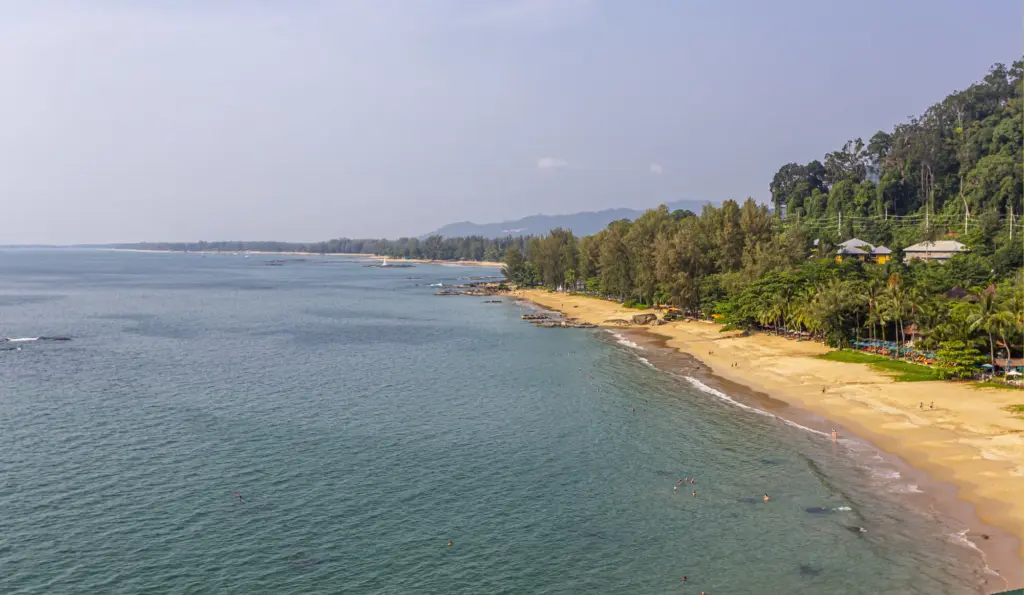
Centuries of reclamation, embankment building, and drainage pushed tides aside, trading watery commons for fields and industry, while leaving coasts vulnerable. Today, relative sea-level rise and coastal squeeze erode remaining fringes, exposing defenses to higher waves and salinity, and fraying connections that once allowed marshes to migrate naturally inland.
Working With Water, Not Against It
Successful projects blend geomorphology, engineering, and community insight, designing gentle gradients, meandering creeks, and controlled inlets that fit local tidal ranges. By letting natural forces do heavy lifting, practitioners reduce costs, create complexity for wildlife, and establish defenses that strengthen, rather than weaken, with time and routine seasonal cycles.



Natural Barriers, Safer Communities
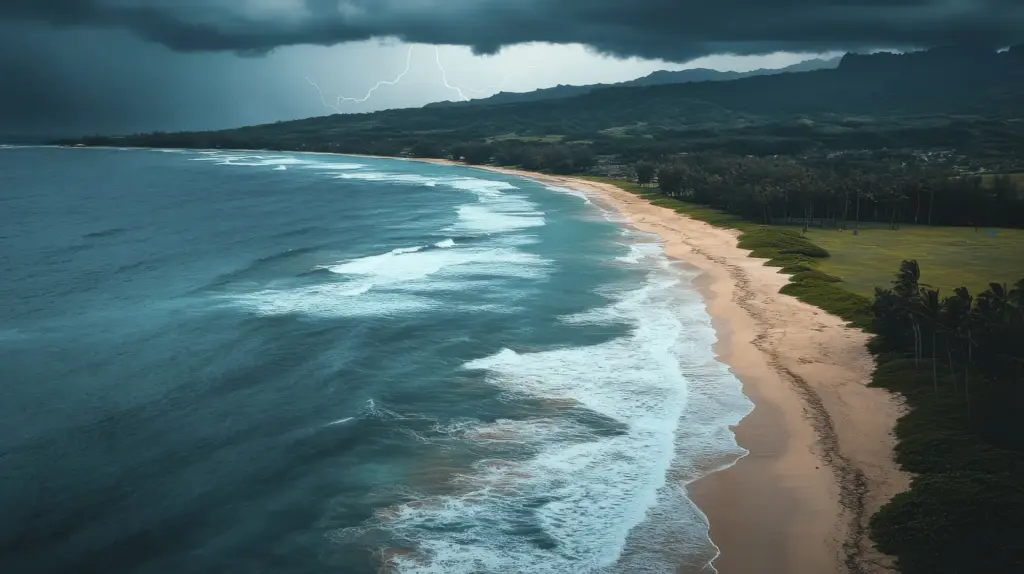
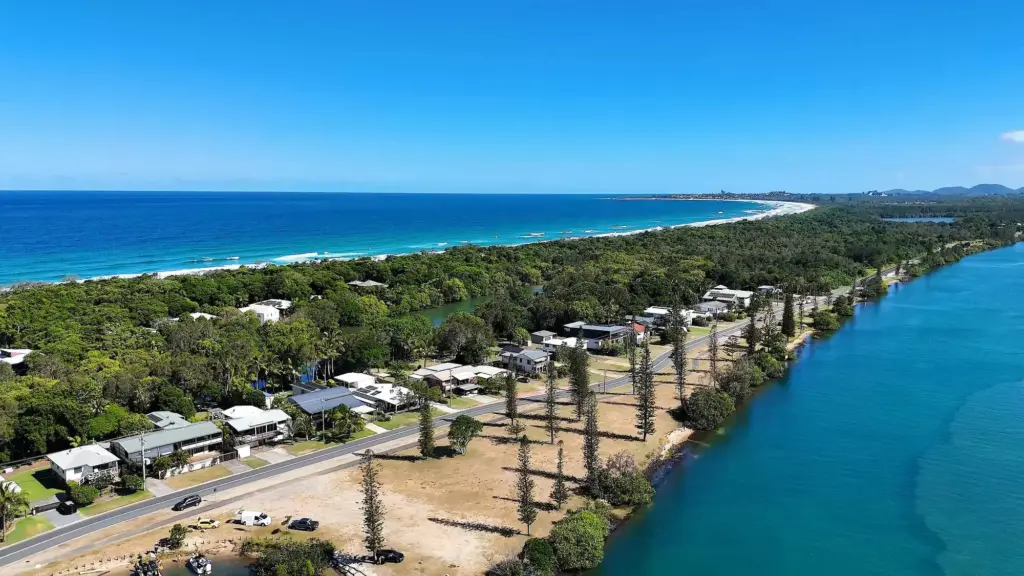
Nature-based defenses spread risk more widely than rigid walls, trimming peak water levels, reducing maintenance, and offering room for overflow that recovers quickly. When combined with early warning systems and setback planning, marsh-fringed coasts protect homes, roads, and farms while providing recreation, tourism value, and healthier estuaries for fisheries.
Wave-Breaking Green Infrastructure
Vegetation stems act like countless flexible piles, disrupting flow and turbulence as water crosses the platform. Behind the marsh, waves are shorter and slower, meaning less overtopping at embankments. During storm recovery, plants regrow, sediments resettle, and protective capacity rebounds without expensive concrete repairs or intense construction mobilization.
Value That Compounds Over Time
Upfront costs create living assets that mature into greater protection and biodiversity each year, unlike hard structures that age into liabilities. Insurance, utilities, and local councils increasingly recognize avoided damages, reduced dredging, carbon storage potential, and public health gains from accessible green space beside refreshing, bird-filled tidal landscapes.
Feathers, Fins, and Salt-Tolerant Greens
Each tide writes a new chapter for wildlife, from eelgrass beds offshore to pans of shallow water glinting with shrimps. Elevation and salinity gradients create niches for plants and animals, ensuring seasonal spectacles that reward patient watching, quiet steps, and curiosity about tiny tracks pressed into shining mud.
From Wellies to Data: Join the Tidal Turn
Protecting saltmarshes thrives on participation. You can help survey plants, log birds, remove litter, and speak up for space where tides need to breathe. Share your local knowledge, learn new field skills, and encourage decision-makers to back projects that blend safety, biodiversity, climate action, and coastal heritage.
All Rights Reserved.