Living Ridges of Sand on Britain’s Edge

Step closer to the restless border between sea and land as we explore Sand Dune Ecosystems along the British Coast: Ecology and Management. Discover how wind, waves, and plants craft protective ridges, why rare wildlife thrives in shifting habitats, and how thoughtful stewardship—grazing, dynamic restoration, and careful access—keeps dunes alive. From Sefton to Studland, Holkham to Kenfig, we’ll blend science, stories, and practical care. Share your experiences, questions, and local insights to help shape resilient coasts for people and nature.

Wind, Waves, and the Moving Budget of Grains

Sand supply rules everything. Where offshore bars feed beaches and winds lift dry grains inland, ridges grow; where hard structures trap sand or dredging steals it, dunes starve. Managers read beach profiles, storm return intervals, and fetch to anticipate change. Have you seen brushwood fencing or coconut coir rolls catching sand? Tell us which measures looked natural, worked well, or failed dramatically after a rough winter.

From Embryo Crests to Grey Ridges and Damp Slacks

Embryo dunes sprout behind wrack lines, then foredunes steepen under relentless wind. Over time, soils enrich, lichens spread, and grey dunes support diverse herbs. In hollows, high groundwater creates slacks that pulse with seasonal water. Each zone hosts specialists requiring particular moisture, light, and disturbance. Spotting these transitions on a stroll turns a casual outing into fieldwork. Share a photo or memory of the first place you recognized a slack teeming with life after spring rains.

Why Restless Shapes Nurture Resilient Life

Disturbance opens sunny gaps, buries old seeds, and resets competition, allowing rare annuals, invertebrates, and reptiles to persist. Stabilize every ridge, and diversity fades beneath scrub; maintain movement, and a mosaic returns. Britain’s dunes illustrate resilience when given space to roll inland or build seawards. Have storms near you carved fresh blowouts that later bloomed with orchids or buttercups? Describe how the landscape healed, and what surprised you most across that recovery season.

Green Architects of the Shore

Plants are the engineers here. Marram grass traps windblown grains and grows taller as burial deepens, knitting dunes into flexible defenses. Sea holly flashes blue bracts on sunlit slopes; sand sedge and lyme grass stitch edges; lichens and mosses paint silver crusts across older ground. Management balances these builders with grazing and occasional scraping, keeping spaces open. Which coastal plants first caught your eye on a windy path, and how did they shape your sense of place and shelter?

Footprints of Rarer Lives

These shifting sands shelter specialists: the natterjack toad calling from shallow, warm pools; sand lizards basking on south‑facing banks; skylarks stitching sky to grass with song; and tiger beetles sprinting across open patches. Each needs sun, space, and seasonal disturbances that keep dense vegetation at bay. Dune slacks, rabbit scrapes, and windblown blowouts become priceless microhabitats. Tell us the first time you noticed a trail, track, or chorus that changed a simple walk into a wildlife encounter you could not forget.

A Chorus for the Natterjack

Epidalea calamita breeds in warm, shallow, often ephemeral dune pools, where quick warming accelerates tadpole development before pools dry. Too much shade, fish, or permanent water invites predators and slows success. Managers desilt, create scrapes, and fence sensitive sites during key months. If you have heard their rasping calls on a still night, describe the air, the stars, and the hush between notes. Did you see ranger signs explaining quiet zones and why they matter?

Sunning the Sand Lizard

Britain’s sand lizards need open, south‑facing dunes with egg‑laying pockets of loose, warm sand. Overgrown grass or heavy trampling can remove these features. Restoration can re‑expose bare patches, while seasonal path nudges reduce disturbance. Photographers: keep distance and long lenses, letting lizards own their ledges. Have you watched one vanish in patterned camouflage? Share where patient observation paid off, and how early sunlight changed both temperature and behavior within minutes.

Tigers with Wings and Other Tiny Royals

Dune tiger beetles, solitary bees, and wasps thrive on sun-baked faces, tunneling into firm yet workable sand. They need open ground patches, nectar sources, and little pesticide drift. Rotational scraping and light grazing can refresh hunting tracks without flattening wildflowers. Spotting their metallic sheen turns a casual pause into discovery. What small creature made you kneel and lose time, studying minuscule dramas unfolding between marram stems and the warm skin of a summer path?

Sharing Fragile Places with Care

Dunes invite play, yet footsteps can shear young plants and crush nests. Sensitive access—boardwalks, waymarkers, seasonal rope lines, friendly signage—channels curiosity while preserving living structure. Inclusive routes welcome families, while dog‑friendly guidance protects ground‑nesting birds. Story-led interpretation deepens respect, turning quick visits into mindful returns. Comment with your favorite example of welcoming access that felt natural, not bossy. What wording, sketches, or ranger chats helped you understand why a small detour protects decades of patient dune building?

Paths That Float Above the Grains

Boardwalks prevent erosion funnels on steep approaches and keep sand in motion beneath. Recycled plastic or larch slats flex, drain, and last. Designers align paths with existing desire lines, using gentle cues rather than fences. When storms bury sections, teams lift and reset rather than bulldoze. Have you watched a path almost disappear after one dramatic tide, then reappear days later? Share which materials felt most comfortable underfoot and least intrusive in photos.

Beach Days without Broken Nests

Ground‑nesting birds like little terns and ringed plovers rely on small cordoned zones, attentive volunteers, and clear, positive language about dogs on leads near breeding scrapes. Simple actions—keeping to wet sand at low tide, choosing quieter hours—avoid stress. Families appreciate chalkboards updating chick progress. If you’ve joined a watch rota, what questions did you hear most, and which conversations turned passersby into protectors who returned with friends to celebrate fledging day?

Letting Movement Do the Work
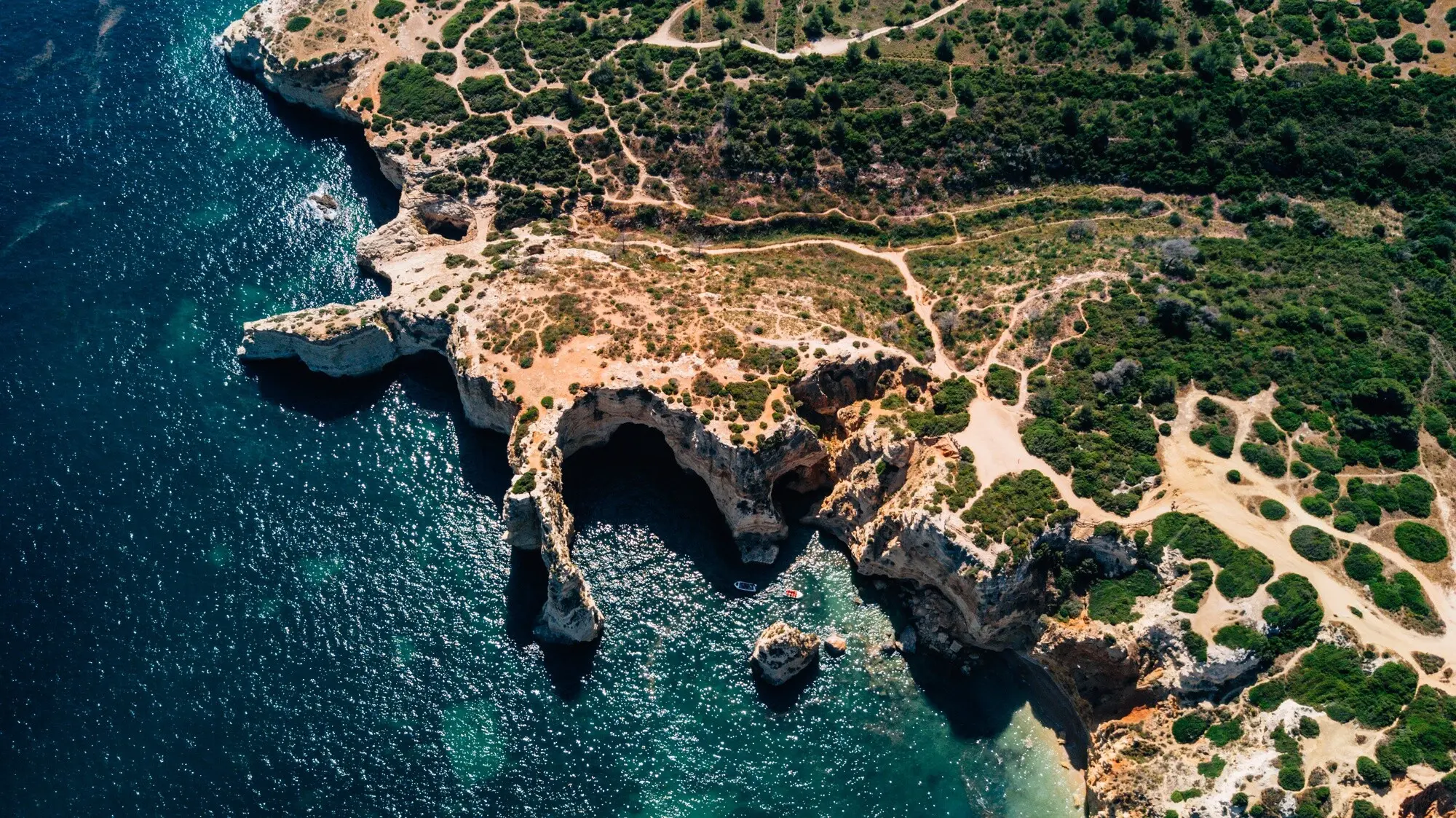
Modern management often reintroduces natural processes: grazing that nibbles exuberant grass, scraping that resets over‑stabilized surfaces, notches that invite wind to carve new blowouts, and occasional realignment that grants dunes room to roll. Each action is modest alone yet powerful in sequence. Success appears as sunlit patches, shallow pools, and a richer patchwork of plants and tracks. Tell us where you’ve seen small, patient interventions outperform concrete, and what convinced your community to give them a chance.

Storm Wisdom and Future Coasts

Rising seas and stronger storms test every decision. Yet dunes can absorb energy, rebuild from overwash, and even grow seawards when sediment is ample. Shoreline Management Plans, SSSI and SAC designations, and adaptive Flood and Coastal Erosion Risk Management frameworks guide choices from nourishment to managed realignment. Learning to value recovery time is crucial. Share how your community coped after a major surge, and what surprised you about natural rebuilding versus engineered fixes over the following months.

Drones, Lasers, and Maps that Breathe

UAV surveys stitch detailed orthomosaics; LiDAR captures micro‑topography, revealing subtle ridges, scours, and slack margins. Comparing repeat flights shows seasonal change, letting teams test whether notches, scrapes, or grazing shift patterns as hoped. Shared dashboards demystify data for volunteers and neighbors. If you’ve seen a 3D model of your local dunes, what features leapt out first, and how did it change the questions you brought back to the next work day?

A Camera, a Stake, and a Season of Change

Fixed‑point photography turns anyone into a long‑term monitor: place a marker, frame a view, and return monthly. Over time, bare patches appear, lichen mats spread, or buckthorn creeps back. Schools love building timelines that pair science with art. Post your before‑and‑after sequences and note which weather shifts mattered most. Did a single storm undo months, or did one windy week create precisely the sunny opening a rare plant required to flower at last?

Come Along Next Saturday

Join a guided walk, scrub‑clear, or slack survey and meet the community caring for these living coastlines. Bring gloves, curiosity, and questions—rangers and researchers will bring stories, ID tips, and encouragement. Subscribe for monthly field notes, seasonal alerts, and volunteer sign‑ups. Comment with your nearest dune site, and we’ll share upcoming dates. Your footsteps, placed thoughtfully, can help shape restoration, inspire neighbors, and ensure these bright, breathing landscapes welcome future generations.

Science You Can Hold

Good stewardship thrives on evidence and shared curiosity. From fixed‑point photos to drone flights, pitfall traps to acoustic loggers, data reveals whether interventions restore movement and diversity. Simple community methods sit alongside cutting‑edge surveys, linking personal moments to robust trends. When people help count orchids or map blowouts, they read landscapes differently and speak up for them. Tell us which tools feel welcoming, and which trainings turned hesitant volunteers into confident coastal storytellers and guardians.