When Shorelines Begin to Breathe

Journey with us into Coastal Rewilding Strategies and Habitat Corridors in the UK, discovering how saltmarsh, seagrass, and dunes can recover when tides are given room, how land and sea reconnect through thoughtful pathways, and how communities turn local knowledge into practical care. Expect stories, science, and clear next steps you can support, from volunteering days to citizen data that strengthens smarter, fairer coastal decisions for everyone.

Tides, Sediments, and Living Shorelines
Restoring Saltmarsh Mosaics

Where tidal rhythms return, channels braid and glasswort glows crimson in autumn light. Projects that breach old embankments carefully, or carve starter creeks, invite silt to settle and plants to anchor it. At sites like Wallasea Island and Medmerry, softer flood protection joins wildlife gains, with curlews and redshanks foraging within months. Tell us about marsh edges you know; your photos of tide heights and vegetation spreads can sharpen local design choices.

Seagrass Meadows as Blue‑Carbon Engines

Beneath clear shallows, seagrass slows currents, shelters juvenile fish, filters water, and locks away remarkable stores of carbon. Volunteer-led plantings across Wales and England reveal patient craft: seed viability, biodegradable anchors, and careful site selection shaped by light and turbidity. Recovery takes years, but early shoots signal resilience and community pride. Share your snorkel notes or shoreline sightings to help pinpoint expansion zones, guiding restoration teams toward the next hopeful plots.

Dune Dynamics and Natural Defences

Healthy dunes are always in motion, shaped by wind, marram roots, and seasonal storms. Rather than fencing everything rigidly, dynamic management embraces blowouts, seasonal grazing, and targeted pathing that steers feet away from fragile foredunes. Places like Ainsdale demonstrate how shifting sand can still protect towns while hosting orchids, natterjack toads, and wintering birds. Your stories about sand movement, access pressures, and storm scars can illuminate practical compromises that let dunes breathe.

Rivers as Moving Pathways for Life

Migratory fish need clean gravels, cool shade, and passage past barriers. Eel-friendly weirs, naturalised banks, and floodplain reconnection support everything from smolts to otters hunting quietly at dusk. When upstream farms create buffer strips, sediment loads fall and estuaries brighten with life. Think of your nearest culvert or weir: a single fix could open kilometres of nursery habitat. Share locations where you suspect blocked movement, and we can spotlight practical, costed solutions together.

Crossing Roads, Rails, and Hard Edges

Coastal towns are laced with transport lines that sometimes slice through migratory routes. Retrofitted culverts with light wells, ledges for small mammals, ‘green’ overpasses, and amphibian tunnels can transform mortality blackspots. Near estuaries, quiet verge management supports pollinators that also use dune wildflowers. Your commute likely crosses invisible journeys; report hotspots where carcasses or stranded creatures appear. Evidence persuades authorities to trial fixes, measure benefits, and then scale successes through regional standards and funding bids.

People, Place, and Working Waters

Rewilding at the coast is never only about species lists; it is livelihoods, memory, and belonging. Inshore fishers read tides like stories, dog walkers notice strandlines, and coastal schools test salinity as seasons turn. When plans start with listening, stewardship grows naturally. Come share your expertise, whether it’s net mending, beach cleaning, or counting waders in winter squalls. The strongest coastal recoveries braid science, craft, and care into partnerships that last generations.

Fisher Knowledge Guiding Restoration

In Cornwall and the Clyde, fishers have flagged nursery bays where juvenile bass and crabs gather among eelgrass shoots. Their logs pinpoint wind windows and anchor hazards, shaping planting schedules and mooring trials that spare delicate beds. Trust builds when pilot areas prove catches stabilize as habitats recover. If you fish, add your tide notes and habitat sketches; anonymous, shared data can steer projects toward spots where gains arrive fastest for nature and people.

Citizen Science on the Strandline

Volunteers track seaweed rafts, shell patches, microplastics, and storm wrack heights, creating fine‑grained timelines machines often miss. Programmes like Shoresearch, CoastSnap, and iNaturalist stitch photos into living atlases of change. Those atlases inform designs for dune paths, marsh set‑backs, and beach nourishment cycles. Join a local survey, or start a weekend tally with neighbours. Consistent, humble measurements become compelling evidence that wins funding, refines models, and celebrates visible progress along familiar shores.

Designing for Tomorrow’s Tides
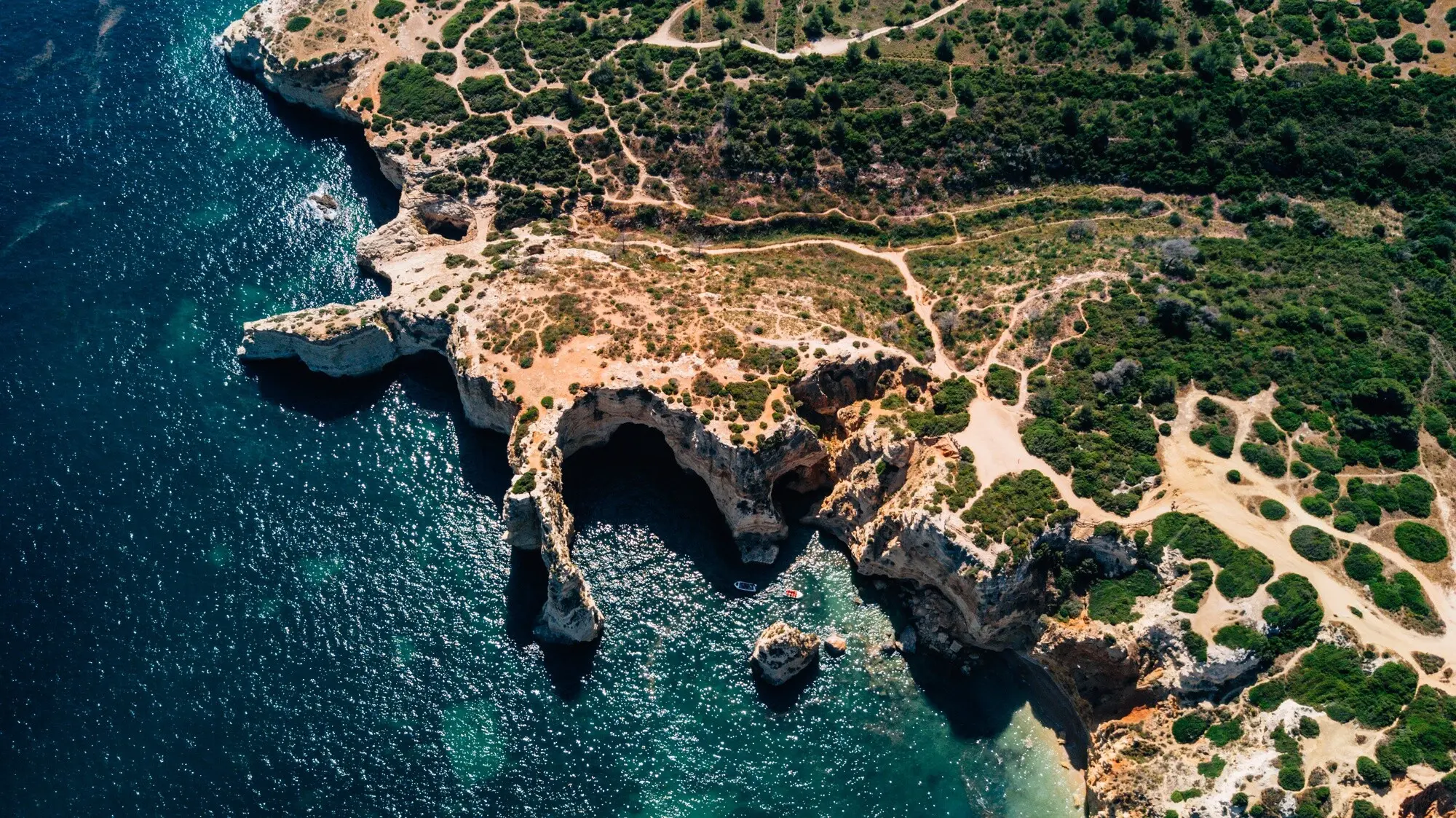
Sea levels are rising, storms roam wider, and summer droughts reach our estuaries. Future‑ready coasts make deliberate space for water, nudging embankments inland, elevating paths, and letting natural buffers grow deep. Managed realignment blends safety with flourishing wetlands, while nature‑based solutions anchor budgets and trust. We learn by trying, measuring, then adapting openly. Share flood memories and safe‑route ideas; your lived knowledge draws the maps that help decision‑makers move faster, smarter, and kinder.

Policies, Funding, and Fair Deals

Rules and money shape coastlines as surely as tides. Biodiversity Net Gain, Local Nature Recovery Strategies, marine protections, and emerging marine net‑gain ideas are aligning with place‑based restoration. Blended finance—public grants, impact funds, insurance savings, and blue‑carbon pilots—can back long timeframes. Accountability matters: local voices must guide priorities and benefits. Tell us what incentives would help you help nature. Practical proposals rooted in community realities unlock durable, fair coastal progress.

Measuring Change and Learning Out Loud

What we measure shapes what we protect. Success at the shore blends indicators across water quality, vegetation cover, fish nurseries, and bird use, all held in open databases communities can trust. eDNA, drones, acoustic loggers, and humble field notebooks complement each other. We improve by sharing failures kindly, then adjusting. Add your datasets or photos; when evidence is public, good ideas spread faster and corridors strengthen from one bay to the next naturally and transparently.

Indicators that Truly Matter

Choose measures people can see and believe: eelgrass shoot density, crab nursery counts, wader roost minutes undisturbed, and turbidity on spring tides. Link them to climate resilience—overtopping frequency, recovery time, and maintenance costs. Publish baselines before works start. If you monitor locally, tell us your methods and thresholds. Shared protocols make comparisons fair, helping funders, councils, and volunteers learn from each other and build a mosaic of improvement along the coastline over time.

Open Data, Shared Evidence

Uploading tide‑marked photos, drone mosaics, or bird counts to open repositories invites scrutiny and support. National platforms and local hubs like MEDIN partners, university portals, and Wildlife Trust projects help keep records safe and reusable. We’ll spotlight contributors and credit collaborations. Tell us which formats challenge you—metadata, georeferencing, or permissions—and we will craft simple guides. When data flows freely, projects align faster, cutting duplication and scaling small victories into coast‑wide restoration pathways.

Adaptive Management with Communities

Plans breathe. If seagrass plots fail in turbid corners, try shallower sites and lighter anchors. If marsh edges erode, nudge coir lines or add brushwood fences. Publicly log tweaks, reasons, and outcomes so trust deepens rather than frays. Host open shoreline walks to discuss results on the ground. Share your reflections—what surprised, what delighted, what frustrated. Continuous learning turns individual patches into connected habitats that evolve intelligently with changing climate and community needs.